
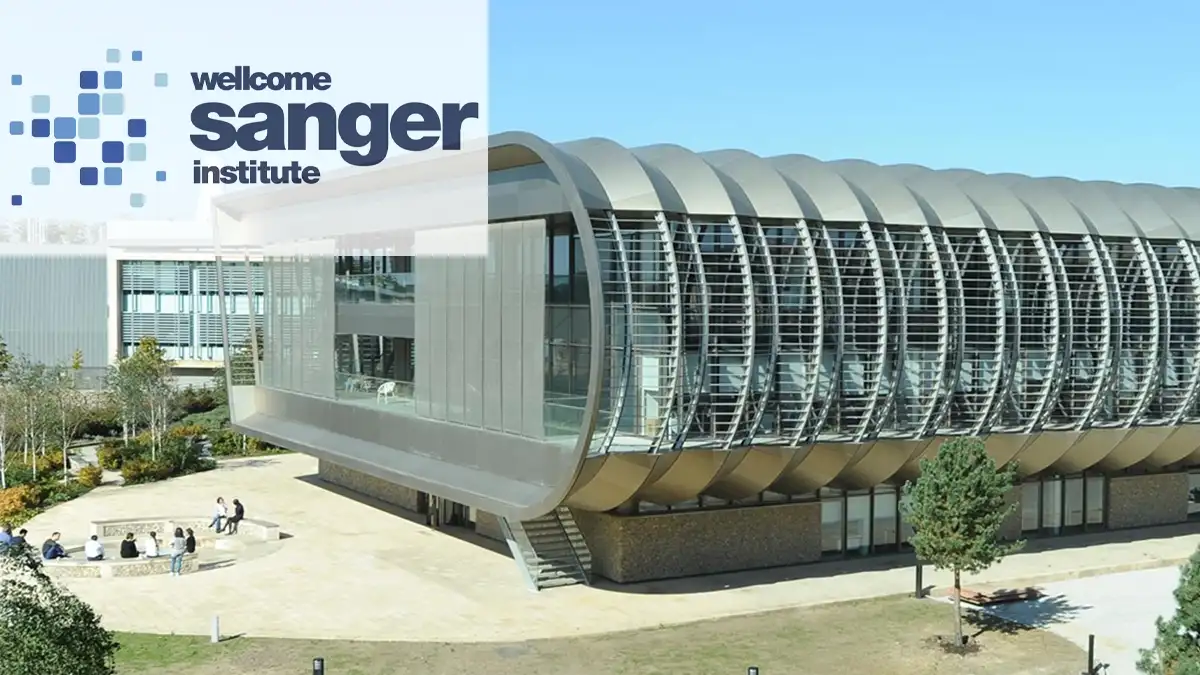

Are you an undergraduate student passionate about genomics research? The Wellcome Sanger Institute is offering a life-changing opportunity through the Sanger Prize 2026, a fully funded three-month internship that covers travel, living, and research expenses. Here’s everything you need to know to apply and maximize your chances of winning.
Table of Contents
Sanger Prize Competition Summary
| Host Country | UK |
| Host Institute | Wellcome Sanger Institute |
| Eligible Nationalities | Low- and middle-income countries |
| Degree Level | Undergraduate/Bachelor’s |
| Scholarship Duration | 3 months |
| Deadline | 9 January 2026 |
What Is the Sanger Prize 2026?
The Sanger Prize is a prestigious competition for undergraduate students from low- and middle-income countries who are studying genomics or related fields such as biological sciences, bioinformatics, medicine, or veterinary science. The winner will join a research group at the Wellcome Sanger Institute in the UK for a three-month internship.
During the internship, winners will:
- Work with expert mentors in genomics research
- Network with leading scientists
- Gain hands-on experience in cutting-edge genomics projects
All essential expenses, including travel, visa, accommodation, and food, are fully covered.
Also Check: University of Rochester International Student Summer Research Program 2026 in USA
Who Can Apply?
Applicants must meet all of the following criteria:
- Be from a low- or middle-income country (check the eligible countries here)
- Be an undergraduate student studying a degree with a genomics element
- Demonstrate an active interest in genomics research through coursework, seminars, or other activities
- Have no prior international research experience longer than one month in a high-income country
- Be over 18 years old
- Have two academic references submitted by the deadline
- Demonstrate good command of English
Note: Only undergraduate students are eligible. Graduates or postgraduates cannot apply.
Also Check: Green Climate Fund (GCF) Internship 2026 in South Korea
How to Apply
Stage 1a – Application Form
- Deadline: 9th January 2026, 5 PM GMT
- Complete the application in English
- Required sections:
- Personal details
- Expression of Interest (EoI) – 400–500 words detailing your interest in genomics, scientific background, and motivation to join Sanger
- Referee details
- Curriculum Vitae (CV) – max two pages, highlighting genomics courses and work experience
Tip: Draft your EoI in a Word document before pasting into the application form.
Stage 1b – Academic References
- Two academic references required
- Preferably from your university tutor or genomics course supervisor
- Deadline: 16th January 2026, 5 PM UK time
Stage 2 – Essay & Interview
Shortlisted candidates (announced in March 2026) will:
- Write a genomics-related essay (approx. one month to complete)
- Top 3 essays lead to an online interview with Sanger experts
- Final winner announced by July 2026
Also Check: UNICEF ECW Internship 2026 in Switzerland with a Monthly Salary of USD 1700
Internship Details
- Duration: 3 months
- Fully funded: travel, visa, accommodation, and food
- Mentorship from expert faculty
- Flexible timing within one year of winning
You can choose your host lab and mentor based on availability.
Tips to Maximize Your Chances
- Apply well before the deadline to avoid technical issues
- Spend time writing a strong EoI
- Ensure your CV highlights genomics-related experience
- Confirm that your referees can submit references on time
Key Deadlines
| Stage | Deadline |
|---|---|
| Application Form Submission | 9 Jan 2026, 5 PM GMT |
| Academic References Submission | 16 Jan 2026, 5 PM UK time |
| Shortlist Announcement | March 2026 |
| Essay & Interview | March–May 2026 |
| Final Winner Announcement | July 2026 |
The Sanger Prize 2026 is a once-in-a-lifetime opportunity for students from eligible countries to gain hands-on genomics research experience at one of the world’s leading institutes. If you meet the criteria and are passionate about genomics, now is the time to apply and take the first step toward a global research career.
