
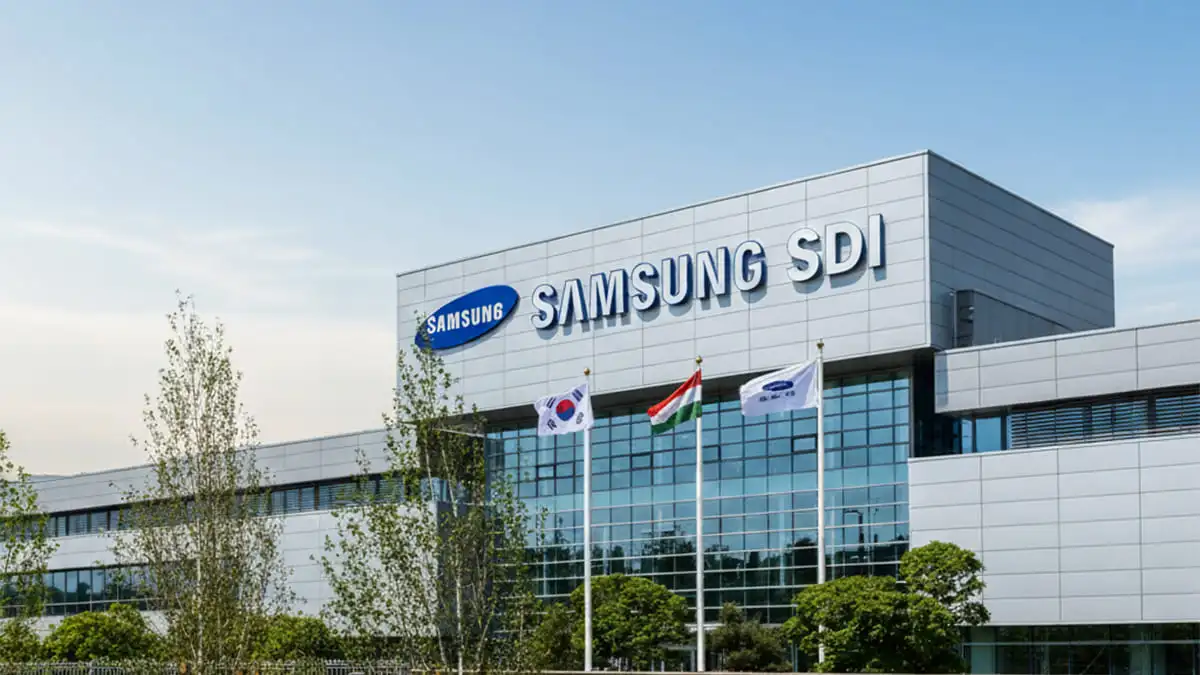

The Samsung SDI Scholarship is a prestigious industry–academic collaboration program between Samsung SDI (a global leader in battery and energy storage solutions) and top Korean universities such as Seoul National University (SNU), KAIST, UNIST, Sungkyunkwan University (SKKU), and Hanyang University.
It is designed for students pursuing battery-related studies in materials science, chemical engineering, electrical engineering, mechanical engineering, and related fields. The scholarship not only covers education costs but also provides industry-linked research opportunities and guaranteed employment at Samsung SDI after graduation.
Now, let’s apply for the Samsung SDI Scholarship in South Korea. Follow the step-by-step guide of Scholarships Edge to learn about benefits, eligibility, required documents and how to apply. 👇
Also Check: SIIT Graduate Scholarships 2025-26 in Thailand
Table of Contents
Samsung SDI Scholarship Details
| Host Country: | South Korea |
| Host Universities: | SNU, KAIST, UNIST, and SKKU |
| Sponsored by: | Samsung |
| Degree Level: | Master’s and PhD |
| Deadline: | October 20, 2025 |
Benefits of the Samsung SDI Scholarship 2026
- Financial Support:
- Monthly stipend (approx. 1,750,000 KRW / US $1,300–1,500 per month)
- Tuition support (varies by university)
- Employment Guarantee:
- Job placement at Samsung SDI after graduation (Master’s direct, Ph.D. contingent on recruitment process)
- Professional Development:
- Participation in industry–academic projects, battery research, and innovation challenges
- Opportunities for overseas training and internships
- Networking with leading researchers and Samsung engineers
- Career Security:
- Long-term career prospects in one of Korea’s top tech industries
Also Check: Erasmus Mundus Joint Masters Scholarship 2026
Eligibility Criteria for Samsung SDI Battery Track (SSBT) Scholarship
- For Master’s applicants:
- Admitted or applying to a participating university (e.g., SNU, KAIST, UNIST, SKKU, Hanyang) in a battery-related field
- Must have at least two semesters of study remaining
- For Ph.D. applicants:
- Completed coursework with at least two semesters remaining
- Ability to graduate within two years
- Must pass Samsung SDI’s recruitment process
- General requirements:
- Strong academic background in engineering, materials science, chemistry, or related fields
- Interest in battery technology and research
- Willingness to work at Samsung SDI after graduation (bonded service requirement may apply)
Also Check: DAAD GSSP PhD Scholarships 2026 in Germany
Required Documents for Samsung SDI Battery Track (SSBT) Scholarship
- Application Form (university scholarship application + Samsung SDI program form)
- Curriculum Vitae (CV) / Resume
- Academic Transcripts (undergraduate & graduate, if applicable)
- Degree Certificates (for previous studies)
- Statement of Purpose / Research Proposal (focus on battery/energy field)
- Recommendation Letters (usually 1–2 from professors)
- Proof of English Proficiency (TOEFL, IELTS, or equivalent, unless waived by program)
- Other documents requested by the university or Samsung SDI (e.g., portfolio of research work, publications)
Note: The Exact list may vary slightly by university, but generally includes these documents.
Also Check: IAEA Marie Curie Fellowship 2026 For Master’s
How to Apply for the Samsung SDI Scholarship
- Choose your university track:
- SNU – Samsung SDI Battery Track (SSBT)
- KAIST – Samsung SDI Industry–Academic Program (KSBP)
- UNIST – e-Battery Track
- SKKU – Undergraduate Battery Program
- Apply to the university for admission into the relevant graduate or undergraduate program.
- Example: Apply for a Master’s in Chemical Engineering at SNU.
- Submit a separate application for the Samsung SDI Scholarship through the university’s department or scholarship office.
- Document screening: Application documents are reviewed by both the university and Samsung SDI.
- Interview process (if shortlisted): Conducted by university faculty and Samsung SDI HR/research teams.
- Final selection:
- Master’s students are admitted directly into the program.
- Ph.D. students must also pass Samsung SDI’s recruitment process before final confirmation.
- Begin program: Join classes, research projects, and Samsung SDI training activities.
Also Check: GKS Scholarship 2026 | Korean Government Scholarship Program
Important Links
- SNU: https://en.snu.ac.kr/snunow/events?md=v&bbsidx=157458
- KAIST: https://ksbp.kaist.ac.kr/english/s0104
- UNIST: https://www.unist.ac.kr/admission/scholarships/program/
- SKKU: https://admission-global.skku.edu/eng/grad/scholarship_undergrad.html

